
How to Manage Sweat and Moisture with Hearing Aids in Spring
Spring tends to be good for a lot of things, but hearing aids are not
By: admin | February 20, 2026
After the age of 40, subtle changes in your body can include your hearing. Even if you feel your hearing is fine, age-related hearing loss often develops gradually, so early signs can be easy to miss.
You might notice asking people to repeat themselves more often, increasing the volume on the TV or feeling more fatigued after conversations because following them requires extra effort. These small changes may seem minor at first, but over time they can influence how you engage with the people and activities that matter most.
Regular hearing screenings after 40 provide a baseline and help detect changes before they have a significant impact on daily life. Monitoring your hearing allows you to stay involved in conversations, participate in social activities and maintain the routines you value.
Similar to checking your vision or blood pressure, early assessment makes it easier to respond to changes rather than catch up later. A hearing test offers a clear understanding of your current hearing and what to watch for as you age, giving you the information needed to make informed decisions about your hearing health.
As you get older, your hearing can shift in subtle but meaningful ways. The inner ear and hearing nerve experience natural wear with age, which can affect how clearly sound is processed.
Higher-pitched tones are often impacted first, and speech may not sound as crisp as it once did. This gradual change, known as age-related hearing loss, is a common part of aging. Because it develops slowly, it can be difficult to notice at first.
Hearing plays an important role in how you connect with others and move through daily life. When sound clarity changes, the brain must put in extra effort to keep up with conversations.
That added strain can make communication feel more difficult than it used to. The good news is that support is available, and an audiologist can evaluate your hearing and discuss practical options. Taking steps to understand these changes can help you stay engaged in the moments that matter most.
After age 40, regular hearing screenings become more important, especially because untreated hearing loss can affect more than just your ears. When hearing becomes less clear and is not addressed, communication can start to feel strained.
Conversations may require more concentration, and that extra effort can be mentally exhausting. This constant strain can contribute to frustration, irritability and increased stress. When everyday interactions feel harder than they should, it can begin to influence your overall mood and emotional well-being.
There is also a strong connection between hearing health and mental health. When communication feels challenging, some people begin to withdraw socially without fully realizing it.
Less engagement can lead to feelings of isolation, which may increase the risk of anxiety or depression. A hearing test after 40 is a simple step that provides valuable information about how well you are hearing and whether support might help.
Meeting with an audiologist for a screening can protect not only your communication, but also your long-term mental wellness.
Adults over 40 should consider making hearing tests part of their routine health care. Even if everything seems fine, a baseline test around this age can provide a clear picture of your current hearing levels.
For many people, scheduling a hearing evaluation every one to three years is appropriate, depending on personal risk factors like noise exposure, family history or certain medical conditions. Hearing often changes gradually, so regular testing allows small shifts to be identified before they begin to interfere with daily communication.
If you notice changes in clarity, increased listening effort or difficulty hearing in certain environments, it is wise to schedule an appointment sooner rather than waiting for your next routine check.
An audiologist can determine whether your hearing has changed. Just like vision exams or annual physicals, hearing evaluations are a practical step that supports long-term health and confidence in everyday conversations.
It is not always easy to recognize when your hearing has changed, especially since shifts can happen gradually. However, certain patterns in your daily life may suggest it is time to schedule a hearing test.
Some common signs include:
A basic hearing screening is a quick check to see if you can hear certain tones or sounds at different volumes. While this can help spot possible hearing loss, it does not provide detailed information about your overall hearing health.
A complete hearing test takes more time and uses specialized equipment to measure how well you hear different pitches and understand speech in various situations. This test gives a clearer picture of your hearing and helps your audiologist make the best recommendations for you.
If you have never had your hearing checked before, it is normal to have questions about which type of test is right for you. Knowing the difference between a basic screening and a full test can help you feel more confident about caring for your hearing health.
A routine hearing screening is a straightforward process designed to measure how well you hear different sounds.
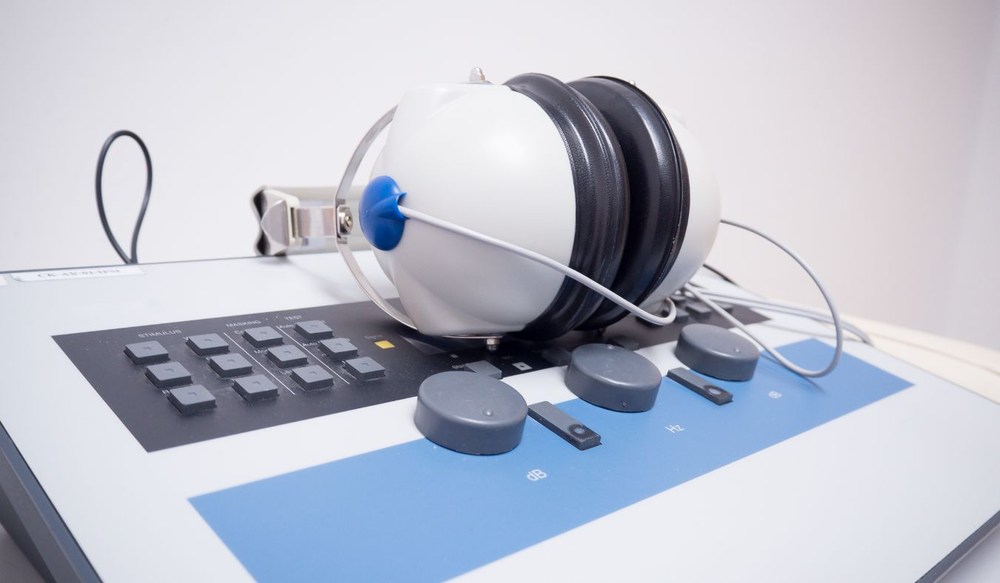
It usually begins with a brief conversation about your hearing health, noise exposure and any concerns you may have noticed. You will then wear headphones and listen to a series of tones at various pitches and volumes, responding each time you hear a sound.
The goal is to identify the softest sounds you can detect across a range of frequencies. In some cases, you may also be asked to repeat simple words to evaluate how clearly you understand speech.
The screening does not take long, and the results are typically reviewed with you right away. An audiologist will explain what the findings mean and whether your hearing falls within a typical range or shows changes that may need further evaluation.
If additional testing is recommended, you will receive guidance on next steps. The process is simple, informative and designed to give you a clearer understanding of your hearing health without pressure or obligation.
Preparing for a hearing test appointment does not require much, but a little planning can make the visit more productive.
Before your appointment, take note of any changes you have noticed in your hearing, even if they seem minor. Think about situations where listening feels easier or more challenging, like in meetings, at home or in noisy environments.
It is also helpful to bring a list of medications you take and any relevant medical history, since certain health factors can influence hearing. Arriving a few minutes early gives you time to complete paperwork and settle in without feeling rushed.
On the day of your appointment, try to avoid exposure to very loud noise beforehand, as this can temporarily affect test results. If you already wear hearing aids or other devices, bring them with you so they can be checked if needed.
Come prepared with questions about your hearing or possible next steps. A hearing test is meant to give you clear information, and being ready to discuss your experiences helps your audiologist provide guidance that fits your needs and lifestyle.
Your appointment is a chance to learn more about your hearing and what it means for your daily life.
Asking thoughtful questions can help you leave with a clearer understanding of your results. You might ask how your hearing compares to what is typical for your age, whether any changes are mild or more significant and what may have contributed to them.
It can also be helpful to ask how your hearing levels could affect conversations at work, at home or in social settings. Clear explanations make it easier to feel confident about the information you receive.
If treatment or monitoring is recommended, ask about your options and what each one involves. You can discuss how often your hearing should be checked in the future and what steps you can take to protect it.
If hearing aids are suggested, ask about the adjustment process and what kind of follow-up care is included. Open communication with your audiologist allows you to make informed decisions and ensures that any plan moving forward fits your needs and lifestyle.
After your hearing screening, your audiologist will review the results and explain what they reveal about your hearing. The report will show whether your hearing is within a normal range or if there are changes that may require further evaluation.
This information helps you make informed decisions about the next steps, like scheduling a more comprehensive hearing test, monitoring your hearing over time or exploring tools and strategies to improve everyday listening.
Taking action based on your results can help protect your hearing and make conversations and daily activities easier to follow and more enjoyable.
Even after a hearing test, it’s important to stay aware of changes in your hearing. Follow-up tests or regular check-ins with your audiologist help track any shifts before they become more noticeable or disruptive.
How often you return can depend on your age, lifestyle and any risk factors, but many adults benefit from testing every one to three years. Scheduling these appointments keeps you informed about your hearing health and ensures that any adjustments or support are made when they are most effective.
Staying aware of your hearing health after age forty is an important part of overall wellness.
Regular screenings help detect changes early so you can keep enjoying conversations, stay safe at home or work and maintain strong connections with those around you. If you have noticed signs like turning up the TV more often or missing parts of conversations, consider scheduling a hearing test.
If you would like more information about your hearing health or want guidance on when to schedule your next screening, our team at Renew Audiology – Hearing Aid and Tinnitus Center in Madison, MS is here to help. Call us today at (601) 429-0293 to schedule an appointment. Taking these steps can support your hearing health as you get older.
Tags: how-to guides, speech tests

Spring tends to be good for a lot of things, but hearing aids are not
By: admin | April 22, 2026
After the age of 40, subtle changes in your body can include your hearing.
By: admin | February 20, 2026

Hearing aid technology has changed significantly over the years, moving
By: admin | December 21, 2025