
Do I Need a Hearing Test? Screening Guidelines After 40
After the age of 40, subtle changes in your body can include your hearing.

By: admin | September 15, 2025
Music plays an important role in many people’s lives, but the high-volume levels that often come with it can lead to problems that aren’t always obvious at first. Whether it’s a drummer seated near loud instruments or concert-goers standing close to speakers, repeated exposure to intense sound is common in musical environments. These loud settings often go beyond safe listening levels, and over time, they can pose risks to hearing that people may not recognize until symptoms appear.
The impact of loud noise from music isn’t always limited to the performance itself. What starts as temporary ringing or muffled hearing after a show can slowly become long-term hearing changes. This can affect how clearly someone hears speech or enjoys music in the future. Musicians who work in these settings and fans who attend concerts frequently are both at risk. That’s why understanding the possible effects of noise exposure is important for anyone who spends a lot of time in loud musical spaces.
Noise-induced hearing loss happens when the ears are exposed to loud sounds over time or suddenly to extremely loud noise. This could include regular listening to loud music through headphones, attending concerts often or being near loud machinery. In some cases, a single event like a sudden explosion can also cause damage. These sounds can harm the tiny hair cells inside the inner ear that send sound signals to the brain. Once these cells are damaged, they can’t grow back.
Not all changes to hearing from loud sounds are permanent. Sometimes, after being around loud noise, hearing might feel muffled or you may notice ringing in your ears. This is called a temporary threshold shift and usually fades after some rest. But if this kind of exposure happens regularly, it can eventually lead to hearing loss. Because of this, protecting your ears in loud environments is one of the most effective ways to reduce the risk of long-term damage.
Decibels (dBs) are the units used to measure how loud a sound is. The higher the number, the louder the sound. Normal conversation usually sits around 60dBs, which isn’t harmful to your ears. But sounds that go above 85dBs – like a loud vacuum cleaner or heavy city traffic – can start to cause hearing damage if you’re exposed to them for long periods. As the volume rises, the amount of time it takes for damage to occur gets shorter, which is why very loud sounds like concerts, noise can be risky even after just a few minutes.
Many people may not realize how quickly loud sounds can impact hearing. Turning up your headphones or standing near speakers might seem harmless, but repeated exposure can gradually affect your hearing over time. It’s not just one loud incident – continued exposure can lead to lasting damage. Sudden, intense sounds like firecrackers or sirens can also harm your ears right away. By understanding decibel levels, you can better gauge when sounds are too loud and take a break to protect your hearing.
Musicians are often exposed to sound levels that can be harmful over time. Regular rehearsals and performances, especially with loud instruments like drums or brass, can gradually impact hearing if proper precautions aren’t taken. This kind of noise exposure may not seem like a problem at first, but repeated listening at high volumes can lead to lasting changes in how sound is heard. Without the use of hearing protection, damage can occur slowly and go unnoticed until it becomes an issue. Being aware of these risks can help musicians make practical choices to support their long-term hearing health.
Concert-goers also face similar risks, though they may not always think about it. Standing near speakers or attending frequent shows can lead to repeated exposure to high volumes. Even if the effects aren’t obvious right away, this kind of noise can have an impact over time. Using earplugs designed for live music or taking occasional breaks during shows are simple ways to lower that risk. It’s not about avoiding concerts altogether – it’s about being more careful in loud environments.
Recognizing the Signs of Noise-Induced Hearing Loss
Identifying early signs of noise-induced hearing loss can make a huge difference in managing the problem and preventing further damage. You might first notice a slight muffling of sounds or difficulty understanding speech, especially in noisy environments. You may find yourself often asking people to repeat themselves or turning up the volume on your devices more than usual. Another common sign is tinnitus, characterized by a ringing or buzzing sound in your ears after exposure to loud noises.
These symptoms might appear mild in the beginning, but they can gradually become more noticeable with repeated exposure to loud noise. It’s important to pay attention to any changes in your hearing and reach out to an audiologist if you start to notice signs like ringing in the ears, difficulty following conversations or muffled sounds.
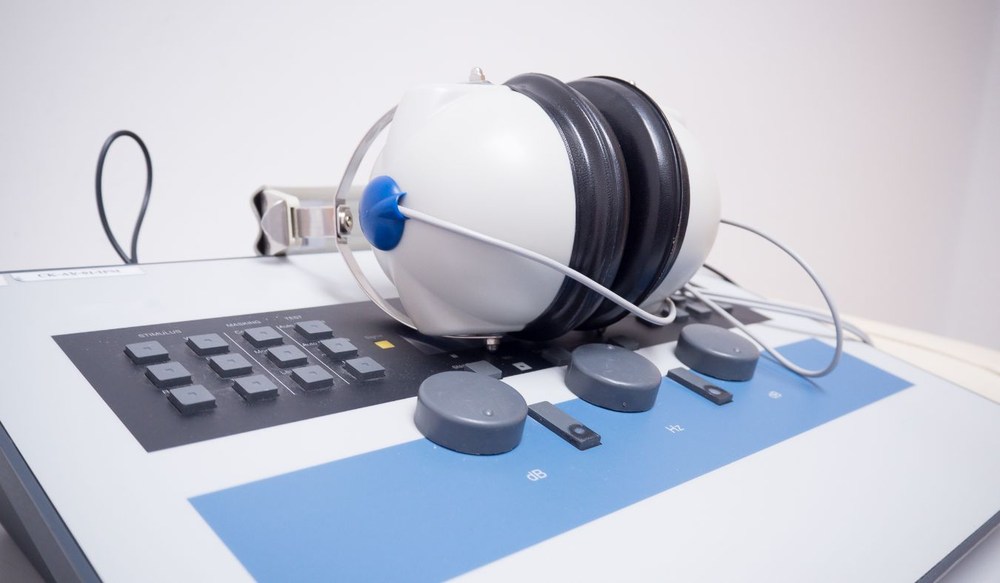
Diagnosing NIHL usually starts with a consultation where you share your concerns about potential hearing issues with an audiologist. This step involves sharing your exposure history to loud noises and any symptoms you’ve been experiencing. The next step is a comprehensive hearing test. This test helps determine the extent of your hearing loss by measuring how well you can hear sounds at different frequencies and volumes. The results provide valuable information for your audiologist allowing them to pinpoint any damage that may have occurred due to excessive noise exposure.
Taking action early when you notice changes in your hearing ability can make a huge difference in treating noise-induced hearing loss. It’s not only crucial for maintaining your love for music but also for preserving your overall quality of life.
Spending time in loud environments is a regular part of life for most musicians, whether they’re practicing, recording or performing live. Over time, repeated exposure to high sound levels can take a toll on hearing. One way to manage this risk is by using high-fidelity earplugs. These earplugs are designed to reduce volume evenly across frequencies, so music still sounds clear but at a safer level. They’re a good option for musicians who want to hear their performance accurately while protecting their hearing.
Another option for many musicians turn to is in-ear monitors. These devices allow performers to hear a custom mix of instruments and vocals at a controlled volume, which reduces the need for loudspeakers on stage. In-ear monitors can help prevent overexposure to loud sounds during performances, and they also improve clarity for the listener. They’re available in a range of styles, including custom-fit models that provide a secure and comfortable seal. With the right tools and habits, musicians can reduce the risk of hearing damage while still staying connected to their sound.
As a concert attendee, it’s important to consider your hearing health while enjoying live music. Protecting your ears during loud performances helps prevent long-term damage. Using high-fidelity earplugs made for concerts can lower harmful noise levels without significantly affecting sound quality. This allows you to listen to music safely without losing the experience. Taking these precautions can help maintain your hearing over time.
Another practical tip is to give your ears a break during long performances. Continuous exposure to loud noise can strain your ears and lead to temporary or even permanent hearing loss. By stepping out for a few minutes or lowering the volume on your headphones during breaks, you’re giving your ears some much-needed rest.
Lastly, make regular hearing check-ups part of your routine health care. These assessments by audiologists can help identify any early signs of damage and provide guidance on further protective measures if necessary. Protecting your hearing is about making thoughtful choices that help preserve your ability to enjoy music over time. It allows you to listen safely without giving up the experience you value.
Hearing specialists play a significant role in managing noise-induced hearing loss. Their expertise is crucial in preserving your ability to enjoy music while ensuring your overall hearing health. They use various techniques to help manage and treat noise-induced hearing loss. One common method is the fitting of hearing aids. These devices amplify sounds, making it easier for you to hear and understand speech, especially in noisy environments. Hearing aids have come a long way over the years, with modern devices offering features like background noise reduction and connectivity with smartphones or music players.
Therapy sessions also play a vital role. Tinnitus retraining therapy (TRT), for instance, helps manage tinnitus symptoms by teaching you how to ignore the ringing or buzzing sounds in your ears. These interventions not only help improve your quality of life but also ensure that you continue enjoying music safely. By working closely with a hearing specialist, you can find an effective treatment plan tailored specifically for your needs – one that lets you keep dancing to your favorite tunes without skipping a beat!
Adjusting to noise-induced hearing loss can be difficult, but with the right strategies and lifestyle changes, you can maintain a satisfying and active life. Learning about your condition is an important step. Knowing the details of noise-induced hearing loss helps you make better choices about your daily habits and treatment options. Joining support groups or online forums can provide a chance to connect with others who have similar experiences. Sharing advice and stories can be helpful as you adjust to changes in your hearing. Taking care of your hearing doesn’t mean you have to give up things you enjoy, like music – you can still listen responsibly while protecting your ears.
You can help make music listening safer by encouraging healthy hearing habits among your peers. Sharing information about noise-induced hearing loss and how to prevent it can raise awareness about the importance of protecting hearing. Leading by example is important. Simple actions like wearing earplugs at concerts or taking breaks from loud sounds can make a difference. Taking these steps contributes to better hearing health for everyone who enjoys music.
Noise-induced hearing loss affects both musicians and concert-goers alike. However, with the right knowledge, preventive actions and available treatments, you can continue enjoying music while protecting your hearing. Recognizing the risks doesn’t mean you have to give up the sounds you love – it means being aware of your hearing and taking care of it.
If you suspect that you’re experiencing symptoms of noise-induced hearing loss or want advice on how to prevent it, don’t hesitate to seek professional help. At Kevin’s Hearing Clinic in Big City, OH, our team of audiologists can provide comprehensive assessments and tailored solutions that fit seamlessly into your musical lifestyle. Contact us at 123-456-7890. We are here to help!
After the age of 40, subtle changes in your body can include your hearing.
By: admin | February 20, 2026

Hearing aid technology has changed significantly over the years, moving
By: admin | December 21, 2025
Music plays an important role in many people’s lives, but the
By: admin | September 15, 2025